Welcome to WordPress. This is your first post. Edit or delete it, then start writing!
Blog
-
Designing a Wedding Reception That Feels Personal in Tampa
I work as a wedding event rental coordinator serving couples across Tampa Bay, where I help turn ordinary venues into spaces that reflect the people getting married. My work often begins with an empty reception room, a rough guest list, and a few ideas collected from photographs or family conversations. I have learned to pay attention to how people will use the space throughout the celebration, from the first welcome drink to the final dance. The right rental choices can make a wedding feel carefully planned without making the room look overly decorated.
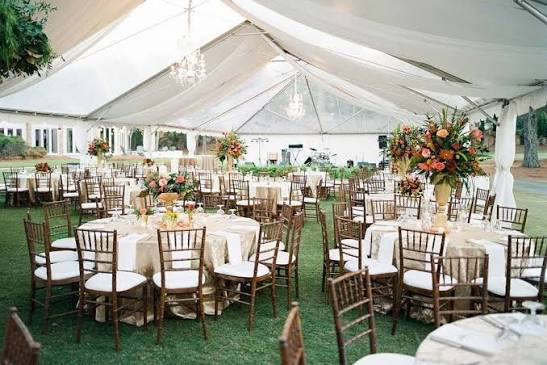
Starting With the Wedding’s Style and Setting
I begin by asking the couple how they want their wedding to feel rather than asking them to choose furniture immediately. A relaxed garden ceremony may call for natural wood chairs and simple tables, while a formal ballroom reception might suit polished furniture, floor-length linens, and elegant seating. I use those preferences to build a consistent look that fits the venue instead of trying to copy every detail from an inspiration photograph. The goal is to make the space feel appropriate for the couple and the occasion.
Tampa offers plenty of different settings, from waterfront properties and private gardens to hotel ballrooms and neighborhood event spaces. I consider the venue’s existing features before deciding which rentals will add value. If a room already has attractive architectural details, I may keep the decor simple and use the tablescape to create interest. An outdoor space with little built-in character may need a more deliberate furniture arrangement and a focal point for the ceremony.
I also look at the practical limits of the site. For a reception with around 90 guests, I check whether the proposed table arrangement leaves enough space for the dance floor, catering staff, and guests moving between areas. I ask about delivery access, setup hours, and any restrictions on tents or hanging decorations before confirming the rental list. These early checks help me avoid selecting items that cannot be installed as planned.
Finding Rental Options That Fit the Plan
I compare rental companies by looking at their available inventory, pricing details, delivery arrangements, and ability to answer specific questions. Couples researching wedding rentals Tampa can use the service to explore options for furnishing and decorating their celebration. I suggest checking the exact items, quantities, and rental conditions before building the final design around a particular product. A clear quote gives me a much better starting point than a general estimate.
I always ask what the quoted price includes. One provider may include delivery and pickup, while another may charge separately for setup labor, extended rental hours, or difficult site access. I review the deposit, cancellation terms, damage policy, and deadline for making changes to the order. Those details matter because the cheapest initial figure does not always represent the lowest final cost.
I also check whether the inventory shown online matches what can be reserved for the wedding date. If I need 100 matching chairs, I do not assume the company can supply that number just because the website displays a photograph of the style. I request written confirmation and ask whether a substitute would be offered if an item becomes unavailable. This gives me time to approve another option before the event approaches.
Good communication makes planning easier. I prefer a provider that can answer questions about measurements, material, setup requirements, and delivery timing without leaving important details unclear. When a couple has a particular design in mind, I confirm the dimensions and finish of the main pieces before making related decorating decisions. That simple process reduces surprises when the equipment arrives.
Creating a Comfortable Seating Arrangement
I usually work out the seating plan before choosing smaller decorative items. Round tables can encourage conversation between guests, while long banquet tables may create a more communal dining arrangement. For a wedding with 80 guests, I might initially consider eight tables seating ten people each, then adjust the plan based on the actual furniture dimensions and room layout. I confirm the venue’s capacity rather than relying on the table count alone.
Chair selection can change the character of the room. Chiavari chairs often suit formal receptions, while padded banquet chairs may be a practical choice for a long dinner with several courses and speeches. I consider the chair color, frame, and comfort alongside the table design and floor surface. I also check whether the selected chairs are suitable for outdoor placement.
I leave enough space for guests to move around comfortably. A layout that looks spacious in a drawing may feel crowded after people pull their chairs back or servers begin carrying food. I review the distance between tables and the routes leading to entrances, restrooms, and the dance floor. Clear walkways are especially useful when older guests or people with mobility needs will attend.
I sometimes recommend a small lounge area near the reception’s quieter side. A few comfortable chairs and a low table can give guests a place to rest between dancing and dinner. I avoid placing the lounge directly beside the catering route or in front of an important view. Even a modest arrangement can make the reception more welcoming.
Using Table Settings to Establish a Consistent Look
I see linens as one of the easiest ways to give a reception a coordinated appearance. Ivory cloths and muted napkins can suit a soft garden theme, while darker fabrics may work well for a formal evening celebration. I check the table dimensions before selecting linen sizes because the amount of fabric hanging over the edges affects the finished look. If the color needs to match the wedding palette closely, I ask to review a sample.
Centerpieces should suit the tables rather than compete with them. Tall arrangements may be attractive in a large ballroom, but they can obstruct conversation if the tables are small or the flowers spread too widely. I often favor a lower arrangement when guests will be sharing food and talking across the table. The design should leave enough usable space for place settings, glasses, and serving dishes.
I also consider the practical details of tableware. If the rental order includes plates, cutlery, glassware, and serving pieces, I coordinate those quantities with the caterer and the planned menu. A formal plated dinner may require a different setup from a buffet or casual reception. I confirm what the catering team supplies so the couple does not pay twice for the same items.
Small decorative details can have a strong effect. I might use table numbers that match the stationery, simple napkin folds, or a consistent finish across candle holders and serving accessories. I avoid adding extra objects just to fill empty space. A table is more useful when the guests can sit down and enjoy their meal without moving decorations aside.
Making Outdoor Weddings Work in Florida
I pay close attention to weather when planning outdoor weddings around Tampa. Heat, humidity, sudden rain, and strong breezes can affect the comfort of guests and the suitability of rental equipment. I ask the venue about its backup space and the deadline for deciding whether the ceremony needs to move indoors. A weather plan should be settled before the rental order is finalized.
Shade can make a major difference during a daytime ceremony. Depending on the property, I may discuss a tent or covered seating area with the venue and rental provider. I confirm that any tent is suitable for the site and installed with appropriate anchoring by a qualified crew. I never treat a decorative canopy as safe simply because the forecast looks calm.
I select outdoor furniture with the location in mind. Lightweight pieces may be easy to move, but they can be unsuitable for exposed areas when the wind picks up. I ask the provider about the materials and any restrictions on outdoor use, especially for upholstered furniture and delicate decorative items. If rain is expected, I make sure the venue team understands which pieces need to be moved or protected.
I also think about guest comfort during the ceremony itself. For a summer wedding with 70 guests, I would review the availability of shade, drinking water, and a comfortable waiting area before the ceremony begins. I try to avoid placing the seating where guests must stand in direct sunlight for an extended period. These decisions can improve the experience without requiring elaborate decorations.
Keeping Rental Costs Under Control
I start the rental budget with the essentials, including chairs, tables, linens, and the delivery or setup services the venue requires. Once those costs are clear, I look at optional features such as specialty seating, decorative backdrops, and extra lighting. I compare the cost of each feature with the effect it will have on the room. This helps the couple decide which details deserve more of the budget.
I examine rental packages rather than assuming they offer the best value. A package intended for 100 guests might include a table style the couple does not want or decorative items that do not suit the venue. I compare the package price with the cost of renting only the necessary pieces and check whether delivery and pickup are included. A detailed estimate helps me identify unnecessary expenses.
I leave room for changes in guest numbers. If the couple expects a final headcount close to the wedding date, I ask the rental company when quantities must be confirmed and whether extra chairs can be supplied later. I also review the fees for reducing the order after the deadline. This is useful because even a small change in attendance can affect seating and table arrangements.
A customer last spring wanted a stylish reception but needed to cut several thousand dollars from the initial event budget. I would approach a similar situation by keeping the furniture comfortable and reducing the number of elaborate decorative installations. I might use a single attractive backdrop and coordinated linens rather than several separate display areas. The result can still feel personal without adding costs that do not improve the guest experience.
Organizing Delivery and Setup Before the Wedding
I prepare a floor plan that shows where the rental items belong and share it with the venue coordinator and setup crew. I label the ceremony area, dining space, gift table, cake display, and any lounge seating so each team understands the arrangement. If the ceremony and reception are in different locations, I confirm whether chairs or other items need to be moved between them. Written instructions are more reliable than trying to explain the entire layout while several vendors are unloading equipment.
I confirm the delivery window well before the event. Some venues allow setup the previous afternoon, while others have strict access hours on the wedding day. I coordinate delivery with the florist, caterer, entertainment team, and other vendors so they can work without blocking one another. A clear schedule reduces the chance of having tables moved repeatedly while decorations are being installed.
I check the delivered inventory against the order when the schedule allows. If the rental agreement lists 100 chairs, ten tables, and two decorative structures, I verify the quantities and look for obvious damage or missing pieces. I report any problems promptly and follow the provider’s instructions for documenting them. Keeping the final order accessible makes this process easier.
I also settle the pickup plan before the wedding begins. I confirm whether equipment will be collected that night or the next morning and ask who is responsible for gathering linens, stacking chairs, and removing personal decorations. I check whether the venue requires the space to be cleared by a particular hour. These final details help avoid confusion after the guests have gone home.